Teeth Grinding at Night and Ways to Protect Your Teeth
October 21, 2026
Discover the causes and signs of teeth grinding at night, its effects on teeth, and how a custom night guard can help protect your smile.
Teeth Grinding at Night Causes and Treatment Options
Teeth grinding at night is a common dental problem that can affect your teeth, jaw, and overall oral health. Many people grind or clench their teeth while sleeping without realizing it. Over time, this habit can wear down tooth surfaces, cause jaw discomfort, and lead to other dental problems. Understanding the causes and choosing the right treatment can help protect your teeth from further damage. Learn more about teeth grinding and bruxism treatment at KDIC.
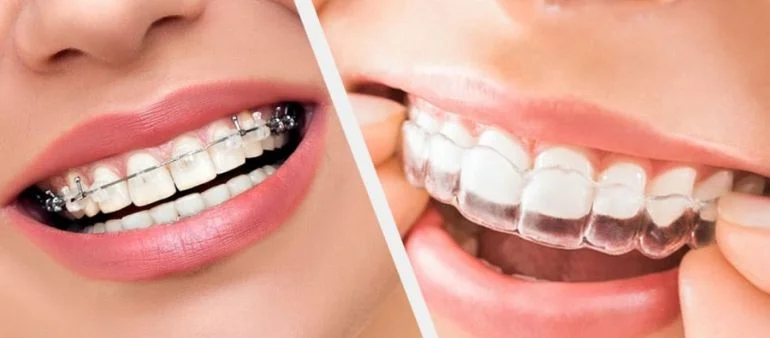
Why Teeth Grinding Happens
Why Teeth Grinding Happens
Teeth grinding, also known as bruxism, occurs when a person clenches or grinds their teeth, often during sleep. Stress, anxiety, sleep disturbances, and certain lifestyle factors may contribute to this condition. Grinding teeth in sleep can happen without a person being aware of it, so symptoms such as jaw soreness or damaged teeth may be the first signs.
Signs of Teeth Grinding at Night
Common signs of teeth grinding at night include jaw pain in the morning, headaches, facial soreness, and increased tooth sensitivity. Some people may notice worn down teeth or hear that they grind their teeth while sleeping. These symptoms should not be ignored, as ongoing grinding can gradually affect the teeth and jaw.
Teeth Grinding Damage to Your Teeth
Repeated grinding puts excessive pressure on the teeth and can cause tooth damage from grinding over time. This may lead to worn enamel, chipped teeth, cracks, sensitivity, and discomfort when chewing. Severe teeth grinding damage can require dental treatment to restore affected teeth and prevent further problems.

Teeth Grinding Treatment Options
The right teeth grinding treatment depends on the severity of the condition and its possible causes. A dentist can examine your teeth and jaw, check for signs of damage, and recommend suitable care. Treatment may include managing stress, improving sleep habits, monitoring tooth wear, and using a protective appliance to reduce the effects of grinding.
Mouth Guard for Teeth Grinding
A mouth guard for teeth grinding helps protect the teeth from direct contact while you sleep. A dentist may recommend a custom-fitted guard based on your bite and dental needs. This type of guard can help reduce wear and protect teeth from further damage, although it may not stop the grinding itself. Read more about night-time teeth grinding and mouth guard protection.
Choosing the Right Guard for Teeth
A guard for teeth should fit comfortably and provide suitable protection during sleep. A custom night guard for teeth made by a dentist is designed to fit your mouth and help protect your teeth from grinding pressure. Your dentist can assess whether a night guard is appropriate and advise you on how to use and care for it.
When to Seek Bruxism Treatment
If you regularly experience jaw pain, tooth sensitivity, headaches, or visible tooth wear, seek a dental assessment. Bruxism treatment can help manage symptoms and reduce the risk of further tooth damage. Early attention is particularly important if you notice chipped teeth, cracks, or discomfort when chewing.
Protect Your Teeth While You Sleep
Teeth grinding while sleeping can gradually damage your teeth if it is left unmanaged. Regular dental checkups can help identify early signs of grinding and determine whether a mouth guard or other treatment is needed. With appropriate care and a suitable night guard, you can protect your teeth and maintain better oral health.
Book Your Appointment Today
Visit Us
Address:
F-7/2 Islamabad
Specialization:
Teeth Grinding, Bruxism & Night Guard Consultation
Online Booking
Protect Your Teeth with Expert Bruxism Care
Contact KDIC Islamabad for professional teeth grinding assessment, bruxism treatment options, and personalized advice on protecting your teeth while you sleep.
Book Consultation Visit Website


0 comments For Teeth Grinding at Night and Ways to Protect Your Teeth